When to Schedule an Emergency Roof Inspection After a Storm
Storms in central Texas can arrive with little warning. One minute the sky is clear, and the next you are watching horizontal rain pound your neighborhood. For homeowners in Austin, the aftermath often brings a specific worry: did the roof hold up? That question is hard to answer from the ground. You might see a few missing shingles or a gutter that looks off, but the real damage is rarely obvious until water finds its way inside. That is when the urgency sets in, and you realize you need an emergency roof inspection.
Roofing materials in this part of the country take a beating. Intense summer sun, sudden temperature drops, and occasional hail all stress the system. A roof that passed a routine check six months ago can develop hidden failures after one severe storm. The trick is knowing when to call for help and what to look for while you wait.
What Makes an Inspection an Emergency
Not every missing shingle qualifies as an emergency. A few loose tabs on a composition shingle roof might wait until a scheduled appointment. But an emergency roof inspection is warranted when there is active water intrusion, visible structural compromise, or the risk of further damage escalating quickly. For example, if a tree limb has punched through the decking, or if wind uplift has peeled back a section of flashing, you need someone on site within hours, not days.
Water moves fast once it breaches the outer layer. It travels along roof sheathing, soaks into insulation, and drips onto ceiling drywall. By the time you see a stain on the ceiling, the moisture has already spread across a much larger area. Mold colonies can start forming within 24 to 48 hours. That is why leak detection is only part of the picture. The real goal is to stop the entry point before the interior damage multiplies.

Signs That Demand Immediate Attention
Some damage is obvious. A sagging roofline or a visible gap at the ridge is a clear structural problem. Other signs are less dramatic but equally urgent. If you notice granules from asphalt shingles accumulating in the downspouts after a storm, that suggests the shingles have lost their protective coating and may be close to failing. Hail damage can leave impact marks that are not immediately visible from the street, but a roofer who gets on the roof will spot the bruising in the mat surface.
Wind uplift is another concern. When strong gusts get under the edge of shingles or along the rake, they can lift the material and break the seal. Even if the shingles look fine from the ground, the fasteners may have loosened. That compromised area becomes a weak point during the next wind event. A thorough inspection will check for lifted edges, popped nails, and gaps around roof flashing.
Thermal expansion also plays a role in post-storm problems. After a hot day, a sudden cool rain can cause roofing materials to contract quickly. That movement stresses seals around skylights, vents, and pipes. A skylight seal that held for years can crack in a single temperature swing. Water then seeps through that tiny gap, and you may not notice until the ceiling below starts to bubble.
How to Choose Who to Call
Not every roofing company handles emergency work the same way. Some focus on scheduled replacements and may not have crews available for a same-day call. Others, like the team behind the services offered by austinroofingcompany.com, build their schedule around rapid response for urgent situations. When you are searching online, check reviews on platforms like HomeAdvisor, Angi, or Google Maps to see how a company handles emergency calls. Look for recent feedback about storm response, not just general repair work.
You also want a contractor who follows safety guidelines from OSHA. Roof work is dangerous, especially on wet or damaged surfaces. A company that prioritizes safety protocols is less likely to cause additional damage during the inspection. Ask if they carry liability insurance and workers compensation. That protects you if something goes wrong.

Industry associations like the National Roofing Contractors Association provide resources for finding qualified contractors. While membership alone does not guarantee quality, it shows a baseline commitment to ongoing training and standards. Similarly, manufacturers such as GAF, CertainTeed, and Owens Corning often list certified installers who are familiar with their specific products. If your roof uses one of those systems, a certified contractor may handle warranty issues more smoothly.
What Happens During an Emergency Roof Inspection
When the inspector arrives, they will likely start from the ground. They look for obvious signs like displaced gutters, torn flashing, or debris buildup. Then they go onto the roof, if it is safe. They check the field of the roof for missing or damaged shingles, examine flashings around chimneys and walls, and inspect all penetrations. They pay special attention to the skylight seal and any roof-to-wall intersections, because those are common leak points.
The inspector will also look at the attic or the interior ceiling for evidence of moisture. Sometimes the damage is not visible from the top. Water can travel along a truss or a rafter and drip far from the actual breach. That is why leak detection often involves both a roof walk and an interior inspection. The combination gives a complete picture.
After the inspection, you should receive a written report that describes the damage, the immediate risks, and recommended next steps. A reputable company will also provide a cost estimate for any necessary repairs. They should explain whether the damage is something that can wait or requires immediate action. If the repair is covered under a roof warranty, they will help you understand the claims process. Many warranties from manufacturers like GAF or CertainTeed require prompt reporting of storm damage to keep coverage valid.
Preparing for the Next Storm
Once the immediate crisis is handled, it makes sense to think ahead. The Insurance Institute for Business & Home Safety publishes guidelines for building more durable roofs, including the IBHS FORTIFIED standard. That rating system focuses on reinforcing the roof deck, improving attachment of shingles, and sealing edges to resist wind uplift. While not every home needs that level of reinforcement, the principles apply to any roof replacement or major repair.
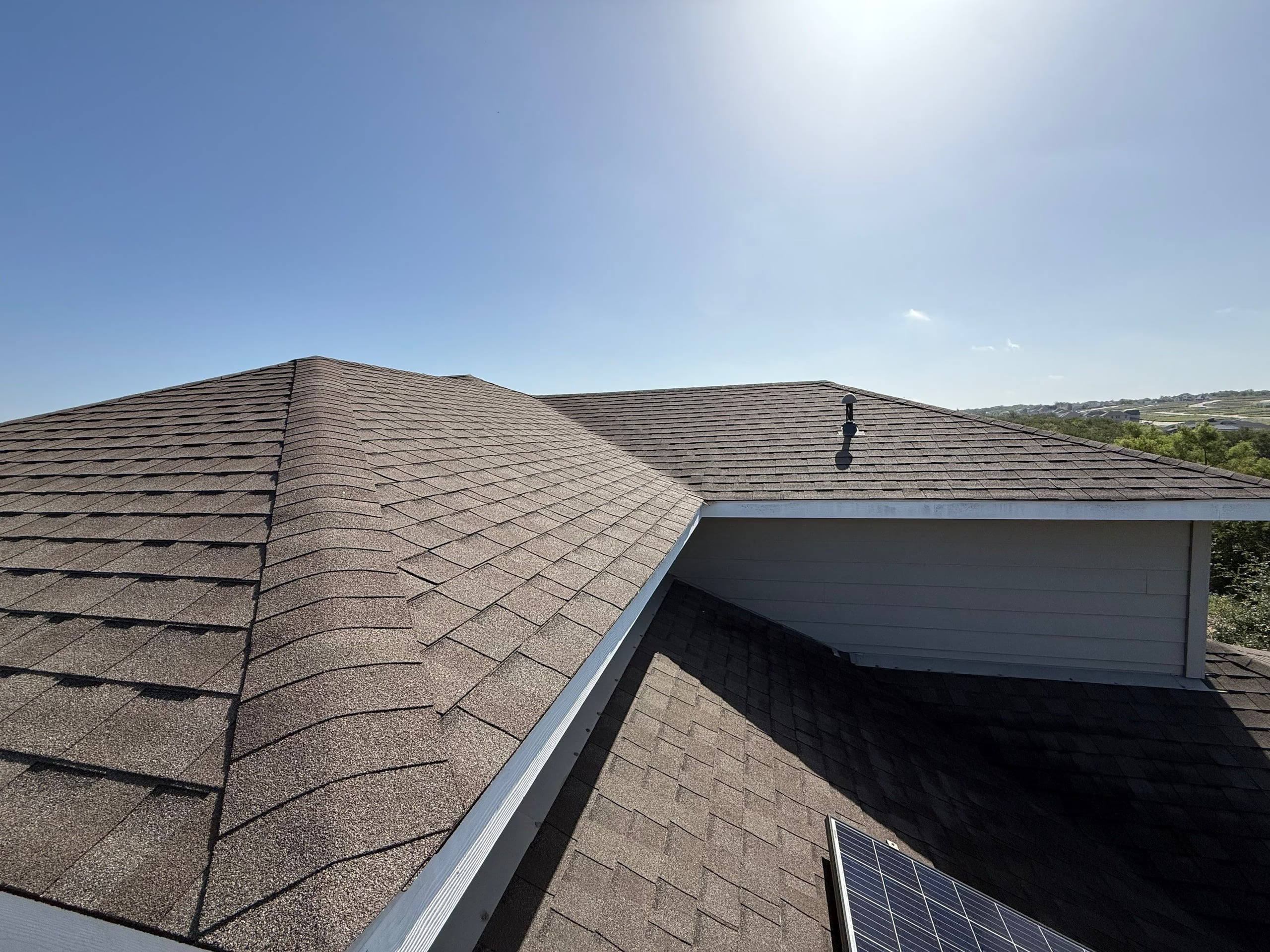
You can also take simple steps to reduce future risk. Keep trees trimmed so branches do not hang over the roof. Clean gutters and downspouts regularly. After any storm, do a quick visual check from the ground using binoculars. Look for curled or missing shingles, debris on the roof, and any signs of sagging. If something looks off, schedule an inspection sooner rather than later. Waiting only gives water more time to work its way in.
An emergency roof inspection is not something you want to need often, but when you do need it, speed matters. Knowing who to call and what to expect can reduce the stress of the situation and help you make decisions with confidence. The goal is to protect your home, your belongings, and your peace of mind. With the right preparation and a reliable contractor, you can handle whatever weather comes your way.